



Self-Paced Training
Start and stop at your own convenience. Train as quickly or slowly as your schedule allows.
Your Cart
| Product | Price | Qty. | ||
|---|---|---|---|---|
No items in the Cart | ||||
Understand the dangers of workplace noise exposure and how to protect your hearing. Learn about conservation programs, protection types, and proper use of safety gear.
Other Language: Spanish

Shopper Approved
4.7 average from 1,494 site reviewsOverview, objectives, outline, and who it is for, in one place.
This course introduces workers to the risks of occupational noise exposure and how to protect their hearing through effective safety practices. Learners will explore how noise affects hearing, recognize the signs of hearing loss, and understand the components of a workplace hearing conservation program.
The hearing conservation program also covers different types of hearing protection devices and how to use and maintain them properly. By the end, participants will be equipped to safeguard their hearing and contribute to a safer work environment.
1. Introduction
2. Noise and Hearing
3. Hearing Conservation Program
4. Types of Protection
5. Use and Care
6. Conclusion
Trainees need to pass an exam at the end of the program to earn their completion card.
Employers and safety leaders can buy seats for their crew, then use a manager account in our Learning Management System (LMS) to assign courses to workers and track their progress.
Group Discount for Corporate Accounts

Start and stop at your own convenience. Train as quickly or slowly as your schedule allows.
The price you see is the price you pay.
Print your completion card right after you pass the course.
Learn on a phone, tablet, or computer.
Call +1 (833) 739 2233 or email help@oshaonlinecenter.com. We can help from enrollment through completion.
Course topics are reviewed so trainees learn current job-site practices, not outdated material.
OSHA considers noise levels at or above 85 decibels over an 8-hour time-weighted average as hazardous. Prolonged exposure at this level can cause permanent hearing damage. Employers must implement a hearing conservation program when this threshold is reached.
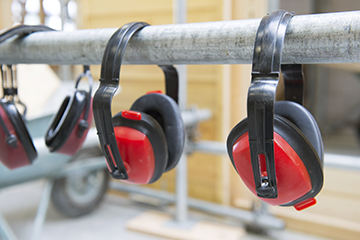
The course covers single-use earplugs, pre-molded earplugs, canal caps, and earmuffs.
Any worker regularly exposed to loud environments, especially in construction, manufacturing, and industrial settings.