

Self-Paced Training
Start and stop at your own convenience. Train as quickly or slowly as your schedule allows.
Your Cart
| Product | Price | Qty. | ||
|---|---|---|---|---|
No items in the Cart | ||||
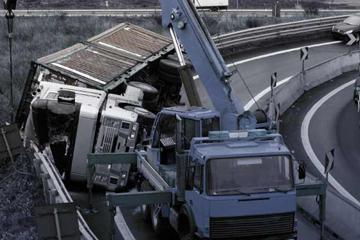
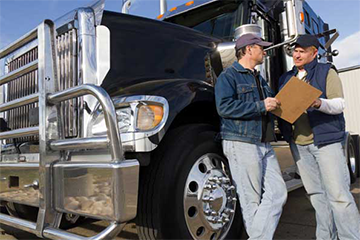
Learn about how to operate commercial vehicles such trucks safely and how to avoid accidents caused by tailgating, speeding and making turns incorrectly.
Other Language: Spanish

Shopper Approved
4.7 average from 1,494 site reviewsOverview, objectives, outline, and who it is for, in one place.
In 2022, an estimated 42,515 Americans lost their lives in traffic accidents. The Safe Vehicle Operations (US) course is designed to provide drivers with essential knowledge and skills to ensure safe driving practices, reduce accidents, and adhere with workplace safety rules. This training covers key aspects of safe vehicle operations, including speed management, following distance, proper turning techniques, and handling emergency situations. It is tailored to address the specific challenges faced by drivers of large vehicles on various road types and conditions.
Introduction
Speeding
Following Too Closely
Turning
Summary
You need 70% or more in the final test to earn your completion card.
Watch this to learn about Safe Vehicle Operations (US)
Employers and safety leaders can buy seats for their crew, then use a manager account in our Learning Management System (LMS) to assign courses to workers and track their progress.
Group Discount for Corporate Accounts

Start and stop at your own convenience. Train as quickly or slowly as your schedule allows.
The price you see is the price you pay.
Print your completion card right after you pass the course.
Learn on a phone, tablet, or computer.
Call +1 (833) 739 2233 or email help@oshaonlinecenter.com. We can help from enrollment through completion.
Course topics are reviewed so trainees learn current job-site practices, not outdated material.
Speeding increases the risk of accidents and affects the stopping distance of vehicles. Large vehicles, in particular, require greater stopping distances due to their weight and load dynamics.
Use the "five-second rule" to ensure a safe distance between your vehicle and the one ahead. Increase this distance in adverse weather conditions to prevent collisions.
Signal your intentions early, scan intersections for oncoming traffic, and position your vehicle to block interfering traffic. Use your mirrors and reduce speed before making turns.
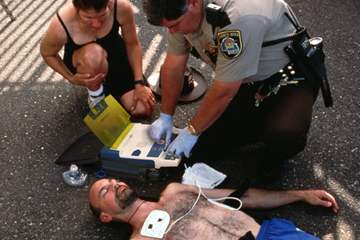
Move to a safe location, set up reflective warning devices, contact authorities, and document the incident. Follow your company's emergency procedures and use the items in your emergency response kit.
Compliance with OSHA vehicle safety standards helps prevent accidents, reduces legal liabilities, and ensures a safer working environment. It is crucial for maintaining safety on construction sites and other workplaces.