Self-Paced Training
Start and stop at your own convenience. Train as quickly or slowly as your schedule allows.
Your Cart
| Product | Price | Qty. | ||
|---|---|---|---|---|
No items in the Cart | ||||
Learn to prevent fire hazards and injuries during hot work in construction. Covers permits, PPE, and OSHA practices. Earn a completion card upon completion.
Other Language: Spanish

Shopper Approved
4.7 average from 1,492 site reviewsOverview, objectives, outline, and who it is for, in one place.
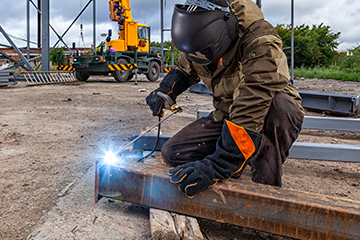
The Hot Work for Construction course trains construction workers to perform hot work safely, such as welding, cutting, and grinding, by following fire safety protocols and OSHA guidelines. According to the NFPA, hot work is responsible for over 4,000 fires annually in the U.S., many of which are preventable with the right precautions. The Hot Work for Construction Training emphasizes fire prevention, hot work permits, hazard recognition, and the use of protective equipment on active construction sites.
The candidates have to score 70% or above to pass the final test, which makes them eligible to receive the official completion card.
Watch a short video intro of the program
Employers and safety leaders can buy seats for their crew, then use a manager account in our Learning Management System (LMS) to assign courses to workers and track their progress.
Group Discount for Corporate Accounts

Start and stop at your own convenience. Train as quickly or slowly as your schedule allows.
The price you see is the price you pay.
Print your completion card right after you pass the course.
Learn on a phone, tablet, or computer.
Call +1 (833) 739 2233 or email help@oshaonlinecenter.com. We can help from enrollment through completion.
Course topics are reviewed so trainees learn current job-site practices, not outdated material.
Hot work includes tasks like welding, brazing, grinding, and any activity that creates sparks or flames.
Yes, it follows OSHA’s 29 CFR 1910 and 1926 hot work safety requirements.
It covers basic fire response procedures, including fire watch duties, but not full extinguisher training.
No. While the process is similar, permit forms and procedures may vary by employer or jurisdiction.
Yes, it’s ideal for onboarding workers who will perform or be near hot work operations.