Self-Paced Training
Start and stop at your own convenience. Train as quickly or slowly as your schedule allows.
Your Cart
| Product | Price | Qty. | ||
|---|---|---|---|---|
No items in the Cart | ||||
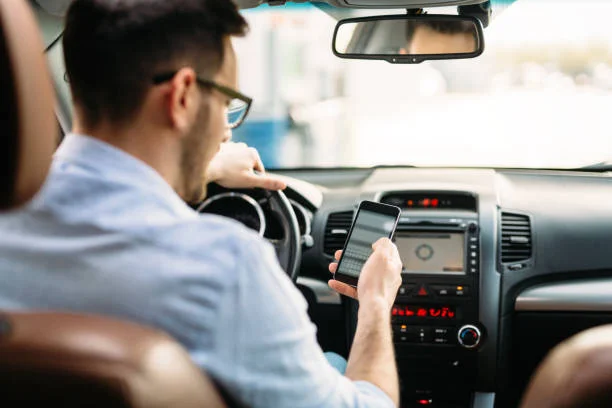
Drivers encounter many distractions while they are on the road. The distracted driving training explains the systems in place to prevent accidents and provides effective strategies to stay focused on the road.
Other Languages: Chinese, Dutch, French, German, Japanese, Portuguese, Spanish

Shopper Approved
4.7 average from 1,492 site reviewsOverview, objectives, outline, and who it is for, in one place.
In 2021, there were more than 3500 fatal accidents due to distracted drivers in the United States according to NHTSA. The Distracted Driving course is designed to educate drivers on the dangers of distractions while driving and provide practical strategies to stay focused on the road. Our distracted driving program covers various types of distractions, including manual, visual, and cognitive, and offers techniques to minimize risks and enhance overall driving safety.
Introduction
Recognizing and Avoiding Distractions
External Distractions
Psychomotor Distractions
Cognitive Distractions
Conclusion
You need 70% or more in the final test to earn your completion card.
Watch this brief video review before starting distracted driving training.
Employers and safety leaders can buy seats for their crew, then use a manager account in our Learning Management System (LMS) to assign courses to workers and track their progress.
Group Discount for Corporate Accounts

Start and stop at your own convenience. Train as quickly or slowly as your schedule allows.
The price you see is the price you pay.
Print your completion card right after you pass the course.
Learn on a phone, tablet, or computer.
Call +1 (833) 739 2233 or email help@oshaonlinecenter.com. We can help from enrollment through completion.
Course topics are reviewed so trainees learn current job-site practices, not outdated material.
Common distractions include using cell phones, eating and drinking, adjusting controls, dealing with passengers, and external factors like construction or other vehicles.
Use hands-free devices, set your phone to "Do Not Disturb" mode, and pull over to a safe location if you need to make or receive a call.
Defensive driving techniques help anticipate potential hazards and allow for quick, safe responses to avoid accidents caused by distractions.
Stay calm, avoid eye contact, and do not engage with the aggressive driver. Pull over safely if necessary and let them pass.
Being well-rested improves concentration and reaction times, reducing the likelihood of becoming distracted or making errors while driving.